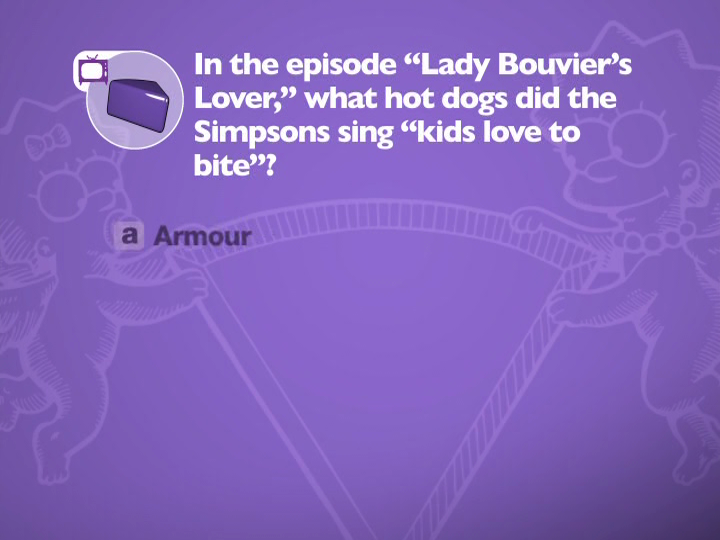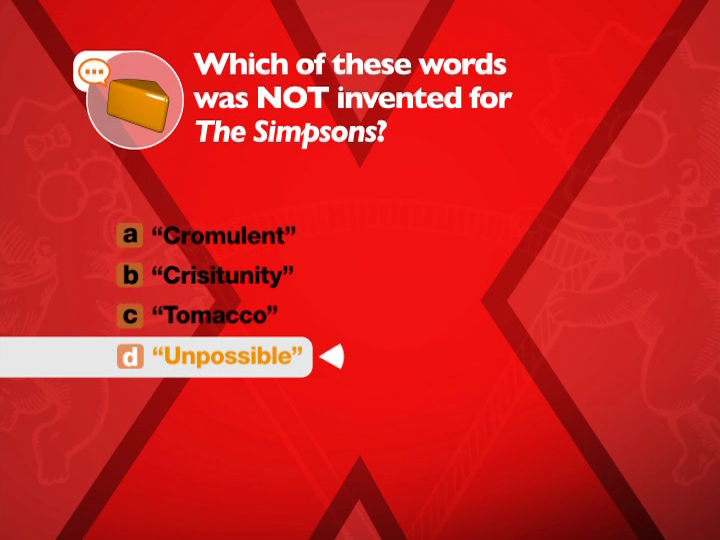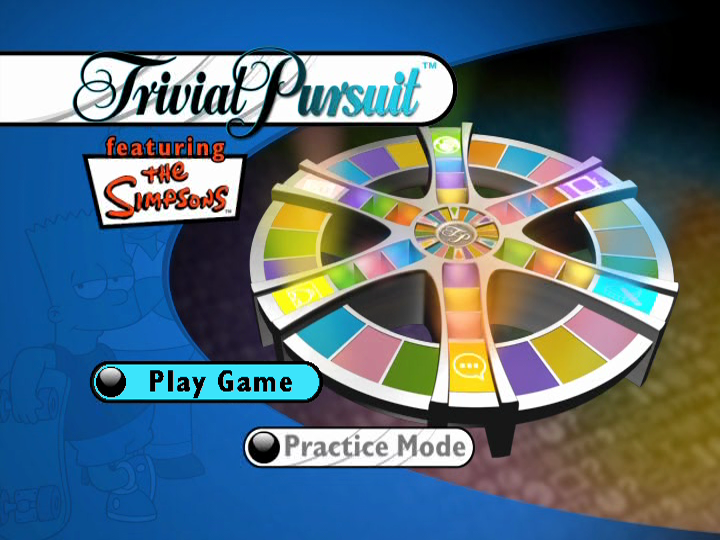
Project Brief
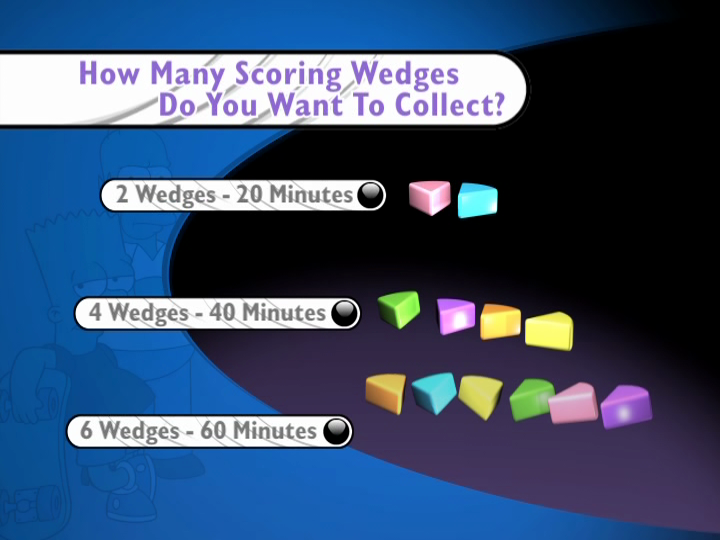
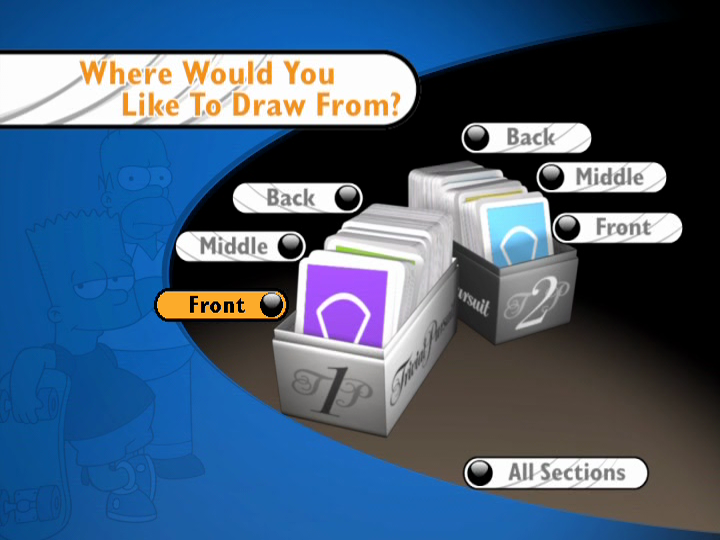
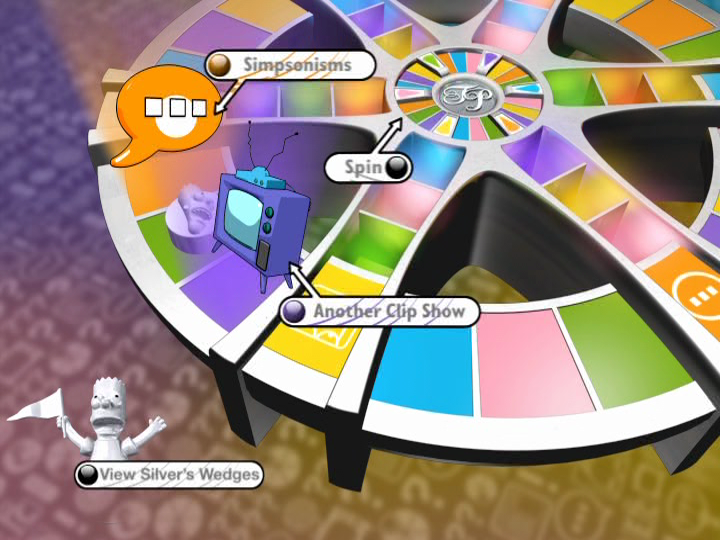
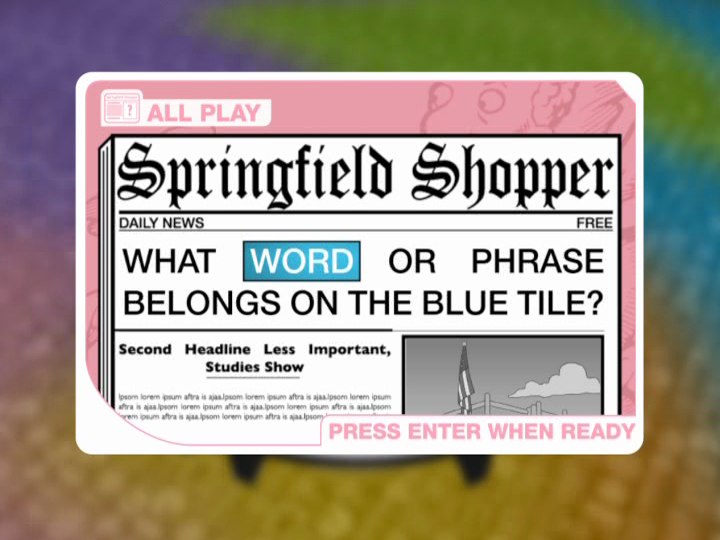
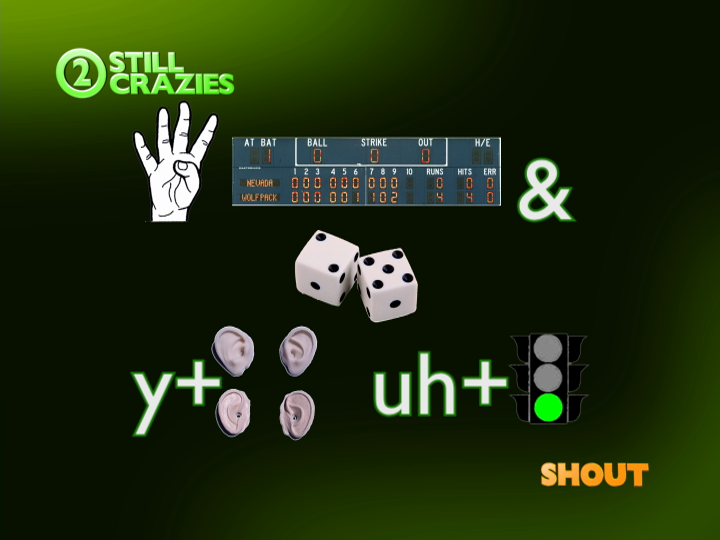
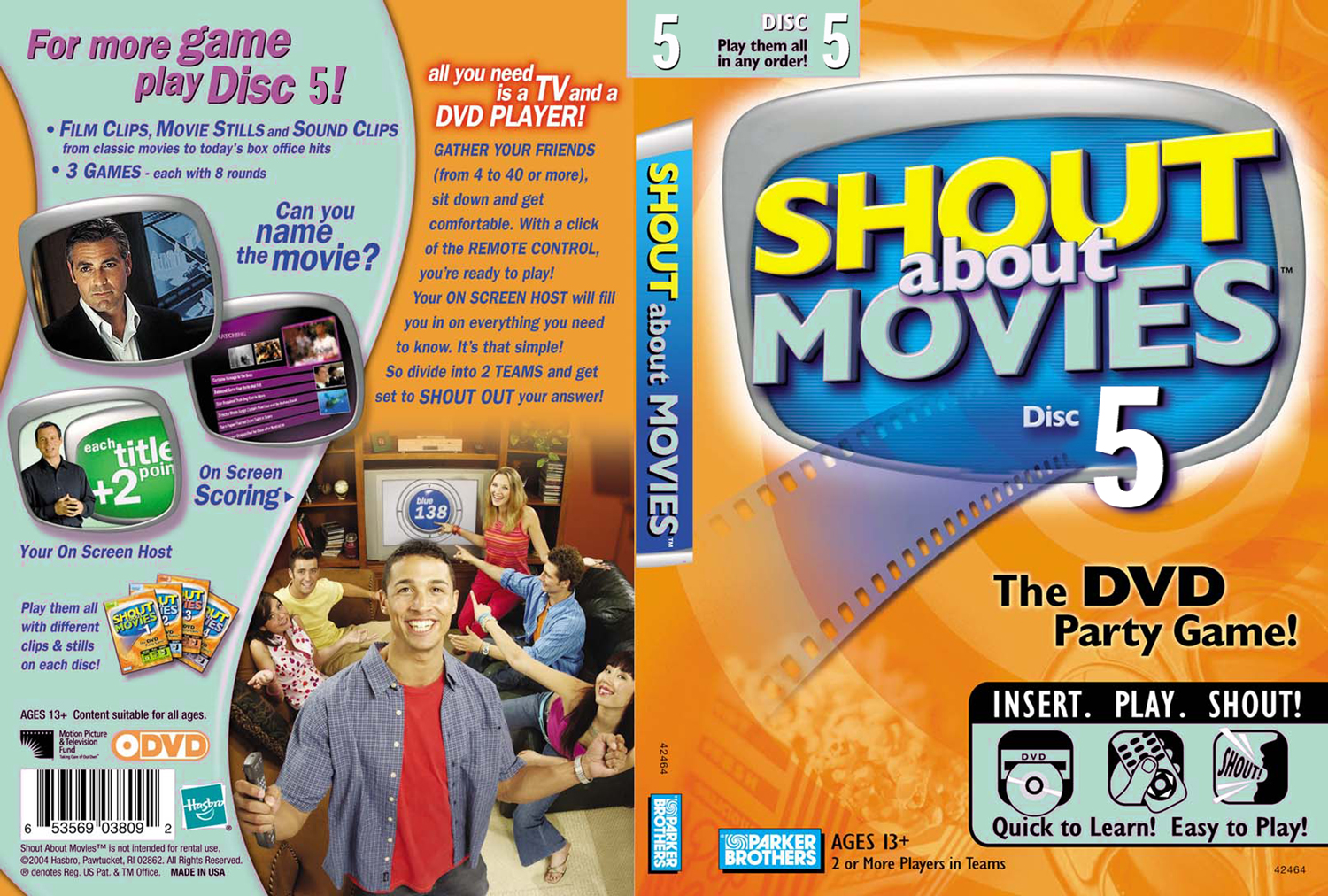 I began working at ODVD as a temporary production artist and advanced to be the creative director of the company during my tenure. My role at the company was varied and involved a variety of different functions — for the purposes of this portfolio I will be focusing on my design role and the tasks related to it. ODVD made games that could be played on a DVD player using only the DVD remote control. The games were meant to be social, fun experiences that relied on media. We created every element for the games in-house: writing, development, graphics. The games were often produced on an extremely tight timeline due to licensing issues, Hasbro’s release schedule and the intensive testing needed for a large scale consumer product. One of the most important elements in designing for ODVD was the ability to create extremely simple interfaces that hid the complexity of the game ‘engine’ and to create graphics that would mask the limitations inherent in the DVD platform. Second to these necessities was a relentless focus on user based iteration. We tested every question that was written, every concept for a game round and every final game design on internal teams and final end-users to ensure that the experience was fun, clear and engaging. Our dedication to the audience paid off: the ‘Shout About…’ series sold 1.2 million games worldwide and earned critical acclaim.
Intended Audience
Our games were published by Hasbro and were intended for an entire family to play together — meaning both young children and pre-baby-boomers needed to be able to work with the games. In addition to an accessible interface, the designs had to work within the limited scope of cross-device functionality of year 2000+ DVD players. Buttons, interaction and even math were all continuously honed to the lowest functioning system to make sure that no game night was ruined by a disc that would not play.
Testing
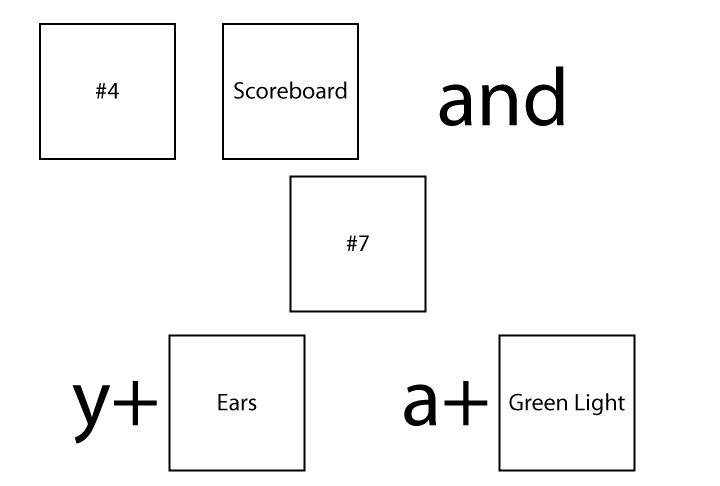
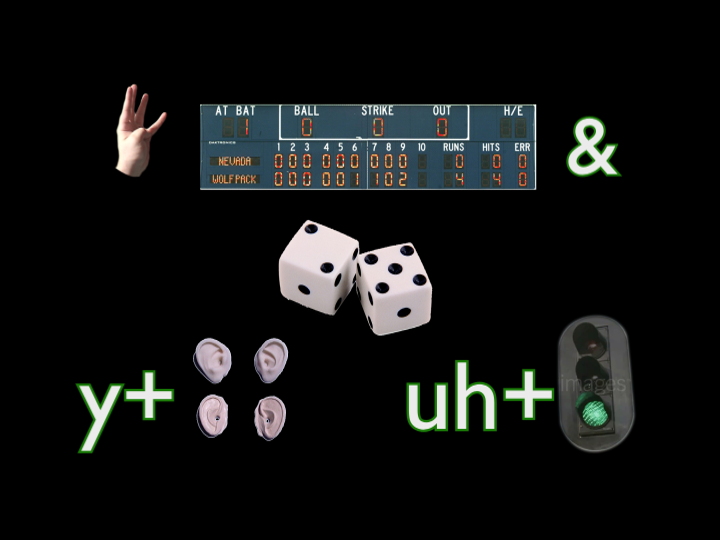
As the company developed new properties for game titles, and individual game types within those titles, I was responsible for creating prototypes using pen and paper, Keynote or After Effects. The first set of prototypes was extremely low-fidelity and focused on content and experience. If a room full of ODVD employees could play the round and seemed to enjoy the basic concept the game would be moved into keynote to demonstrate timing, interactivity and add any necessary media components. If there were remaining questions about the playability or presentation a new round would be written and built out using After Effects with integrated 3d modeling.
These prototypes would also be used to test content and gameplay with users. At key delivery points different teams would organize either informal in-office game tests or arrange for a focus group test. The informal tests were performed with groups of volunteers from employee social circles, or existing game groups. My role during these tests, when not moderating them, was to observe the players and watch for content that fell flat, interface elements that slowed or stumped the players and to find the moments when the limited DVD platform showed its weakness.


Workflow
In order to accomm0date the continual testing, refinement and tight deadlines our various stages of production had to have deeply refined workflows. As our prototypes moved beyond Keynote I would immediately begin to refine how the graphics were produced — limiting the amount of steps necessary to update and add content and ensuring that we could produce literally thousands of pieces of gameplay in weeks. Refining these workflows required coordinating the 3d, 2d and writing teams to allow for seamless hand-offs and modular design elements.
Transitions
The DVD platform is extremely limited — it is essentially a playlist of vidoes that can be navigated in a non-linear manner. All of our games had the ability to be played more than once without repeated content (our Trivial Pursuit game could be played 12 times with no repetition), the major limitation was disk capacity. To that end we designed transitions that could be re-used to begin and end gameplay elements to cut down on the size of the game assets. These transitions needed to be carefully considered — low-end DVD players could be extremely sluggish when jumping to different video tracks. I would look for ways to introduce gameplay pieces that would hide this lag and create a more seamless experience for the players.